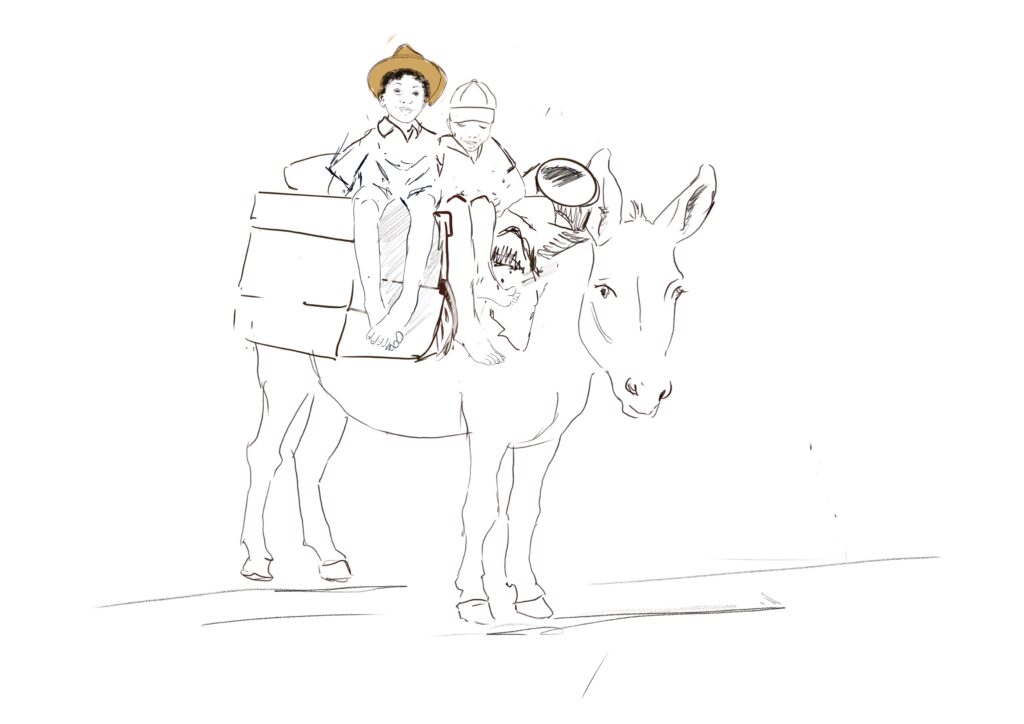
Animal Ambassadors Visit the Donkeys
More Than a Sanctuary: Teaching Compassion Through Antigua’s Animal Ambassador Programme
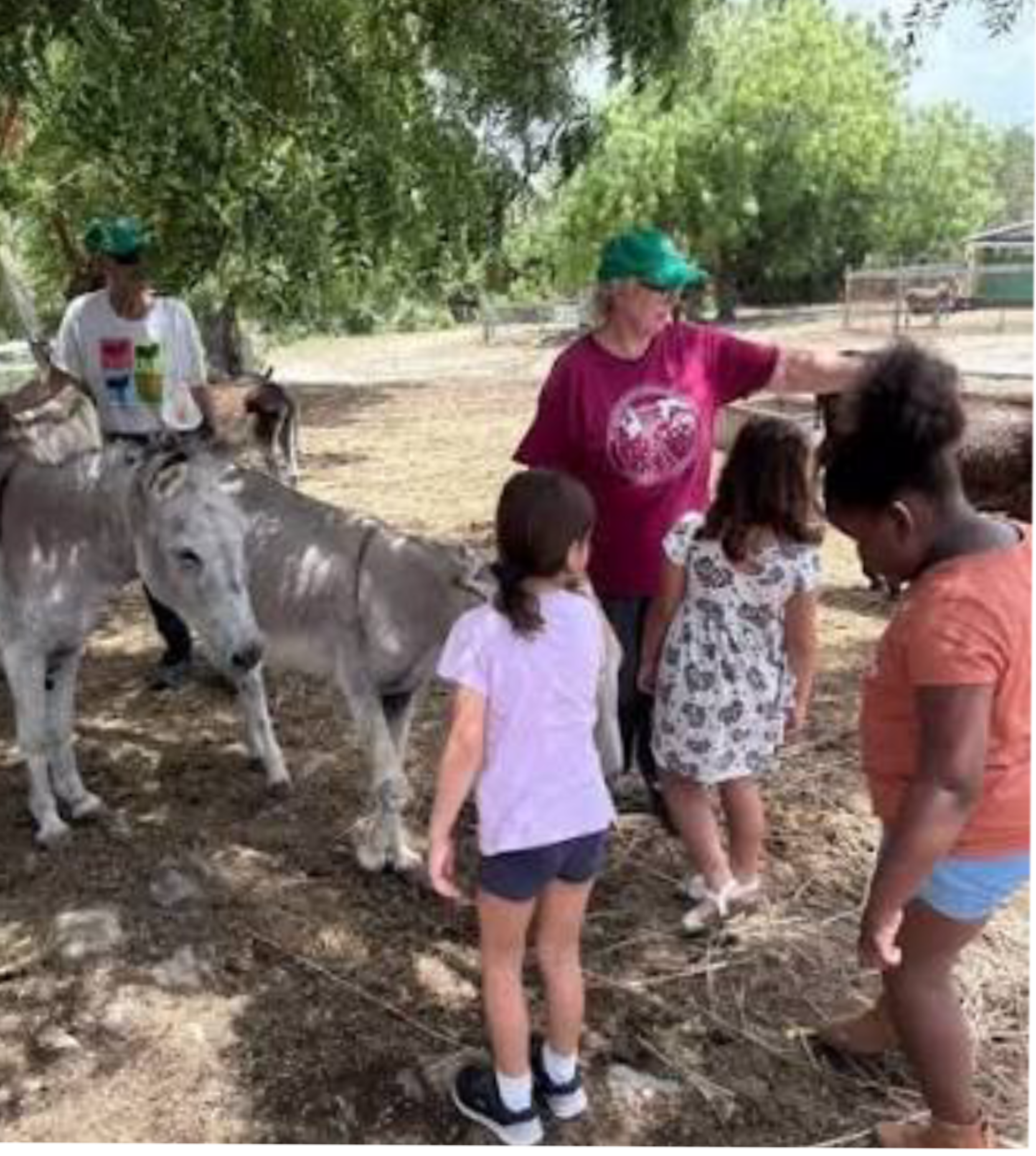
Forty-two Grade 4 pupils from T N Kirnon School arrived at the Antigua Donkey Sanctuary expecting to meet donkeys. By the end of their visit, they had also handled tortoises, learned how animals show fear and happiness, discovered when not to approach a dog — and begun to understand what it means to become an Animal Ambassador.
Now in its second year, the Animal Ambassador programme works with Grade 4 students across Antigua, teaching kindness, empathy, responsibility and safe behaviour around animals.
For founder Karen Corbin, the idea is simple: lasting improvements in animal welfare begin with education.
“The programme is called Animal Ambassadors,” Corbin explained. “We go into schools and teach children how to be kind to animals and how to be safe around them — like not approaching a dog when it is eating or sleeping. But more than that, we teach empathy. We want children to understand that animals have feelings too.”
The children are encouraged to think about familiar emotions — happiness, fear, stress and excitement — and then consider whether animals might experience those feelings too.
Corbin says the response has been encouraging.
“I was happily surprised,” she said. “They do seem to understand that animals have those feelings. That’s step one — building empathy.”
The programme also tackles a practical question: what should a child do if they see an animal being hurt or mistreated?
The answer is not to step into danger themselves, but to tell a trusted adult or contact the appropriate authorities.
“We want to keep children safe,” Corbin said, “but also give them the tools to respond appropriately.”
That message clearly stayed with the T N Kirnon pupils during their visit.
Under the guidance of veterinary surgeon Dr Robbins, they were introduced to some of the practicalities of animal care and safe handling. They learned how to approach animals calmly, how to recognise differences between male and female tortoises and how to observe an animal’s behaviour before reaching out to touch it.
The tortoises proved particularly popular.
Children were able to hold them carefully under supervision, producing plenty of excitement — and considerable laughter when the tortoises provided some unexpected biological entertainment of their own.
The donkeys, naturally, were another highlight.
The children spent time learning about their behaviour and care, and their own descriptions of what it meant to be an Animal Ambassador showed how much of the message had already sunk in.
One pupil described an ambassador as someone who “takes care of animals that are hurt or being abused” and makes sure they are fed and safe.
Another said it meant “being kind to cats, dogs, donkeys, turtles and tortoises because they depend on us.”
Others had already absorbed the lesson about responsibility. Asked what they would do if they saw an animal being treated cruelly, several said they would call the police or an animal welfare organisation, while others suggested asking an Animal Ambassador for help.
And then there was the most straightforward assessment of the day.
“They’re so cute,” one child said of the donkeys.
Behind the laughter and enthusiasm, however, lies a serious purpose.
Corbin believes that teaching children to recognise the needs and emotions of animals may have benefits that reach far beyond animal welfare.
“We feel very strongly that teaching kindness to animals helps children become kinder in their human relationships as well,” she said. “There is a direct link between how we treat animals and how we treat each other.”
That idea sits at the heart of the Animal Ambassador programme.
The Antigua Donkey Sanctuary may be best known as a refuge for the island’s donkeys, but its work increasingly extends beyond rescue. Through school visits and outreach, it is trying to influence the way the next generation thinks about animals before poor habits and attitudes become established.
The programme is therefore less about producing young animal experts than encouraging children to stop, observe and consider.
Is the animal frightened? Is it safe to approach? Does it need help? Who should be told?
Those are small questions, but they can shape behaviour.
And on this particular morning, the lesson did not feel much like a lesson at all. There were donkeys to stroke, tortoises to hold, questions to ask and plenty to laugh about.
For 42 young visitors from T N Kirnon School, becoming an Animal Ambassador began not with a lecture, but with curiosity, confidence and the simple understanding that the creature in front of them matters too.
Related Posts