Carrying the Load: Why Antigua’s Donkey Sanctuary Matters
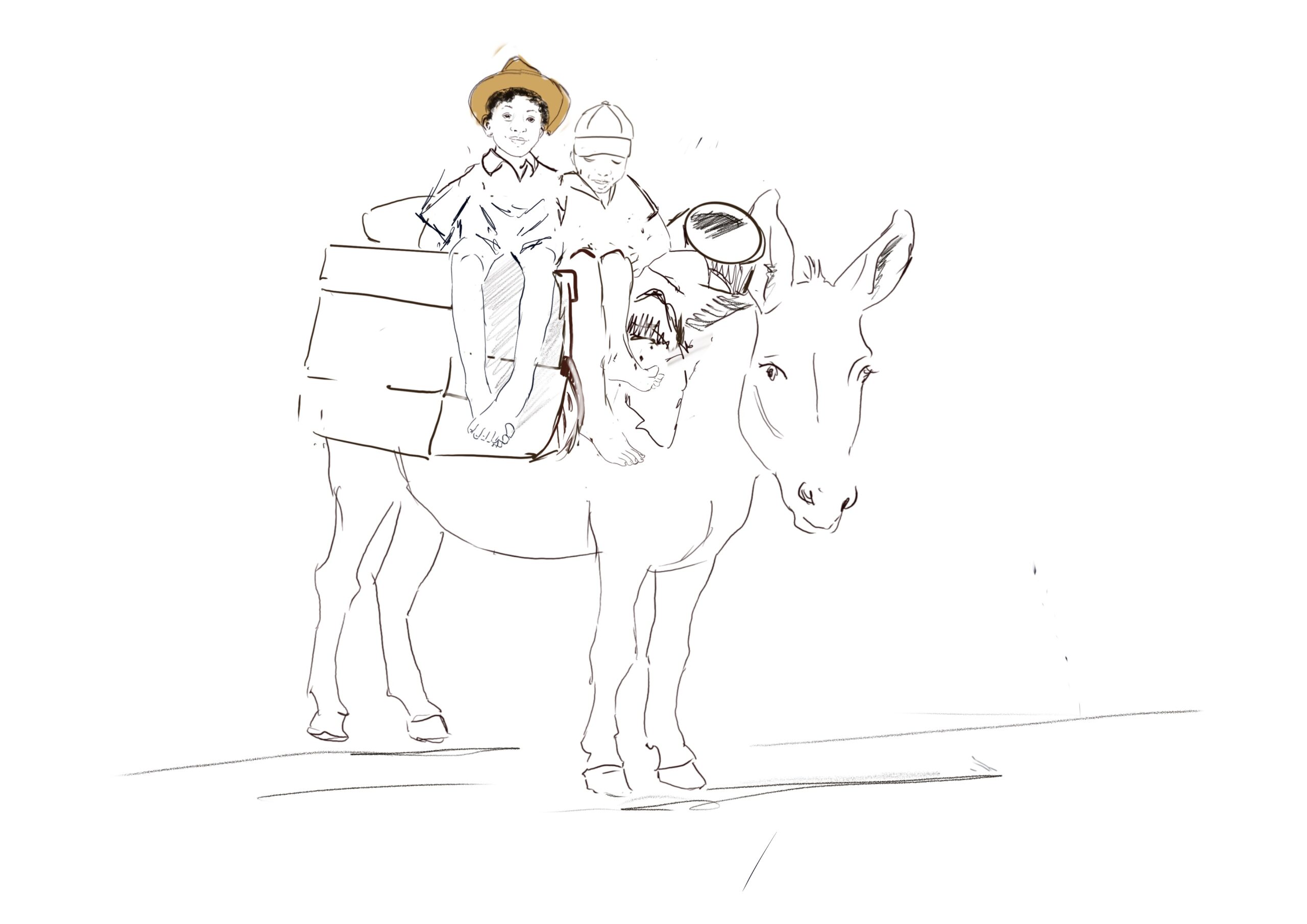
For generations, donkeys carried Antigua’s burdens — hauling, working and helping to build the island. Today, at the Donkey Sanctuary, Antigua is carrying theirs.
More Than the Camera Sees
From a distance, it is easy to misunderstand animal welfare in small island states. A photograph of a roaming donkey or a stray animal, stripped of context, can quickly fuel criticism online and reinforce unfair assumptions. What those images rarely show is the quiet, daily work taking place behind the scenes — the people who intervene, pay the bills, tend wounds and refuse to turn away.
In Antigua, that work is embodied in the Donkey Sanctuary, operated under the umbrella of the Humane Society. Far from being a symbol of neglect, the sanctuary reflects responsibility shaped by local realities, where solutions must be practical, sustainable and humane. “We didn’t want a Toronto or New York model,” said founder Karen Corbin. “It had to work here.”
From Crisis to Commitment
The beginnings of the sanctuary lie in crisis. In 1993, donkeys being transported for export were brutally injured after a barge broke down and animals were thrown from a truck. The incident drew international attention, including that of the late Dr. Elisabeth Svendsen of the UK Donkey Sanctuary, who offered funding and equipment if land could be dedicated to their care. That agreement laid the foundation for what is now more than 30 acres devoted almost entirely to donkeys.
Over time, the sanctuary became part of a broader national solution. Donkeys roaming roads posed dangers to motorists, while farmers could lose entire crops overnight. Frustration often ended in abuse. “People were hitting them, or worse,” Corbin recalled. “We said, ‘Wait — bring them here.’” Today, instead of shooting donkeys, police call the sanctuary — a quiet but meaningful shift.
The True Cost of Compassion
Caring for donkeys is expensive. Grass is delivered daily, horse feed is imported, veterinary medicines are ongoing, and procedures such as castration — and sometimes emergency amputations — are unavoidable. “The biggest challenge is funding,” Corbin said. “When tourism slows, it becomes a real struggle to cover feed and medical care.”
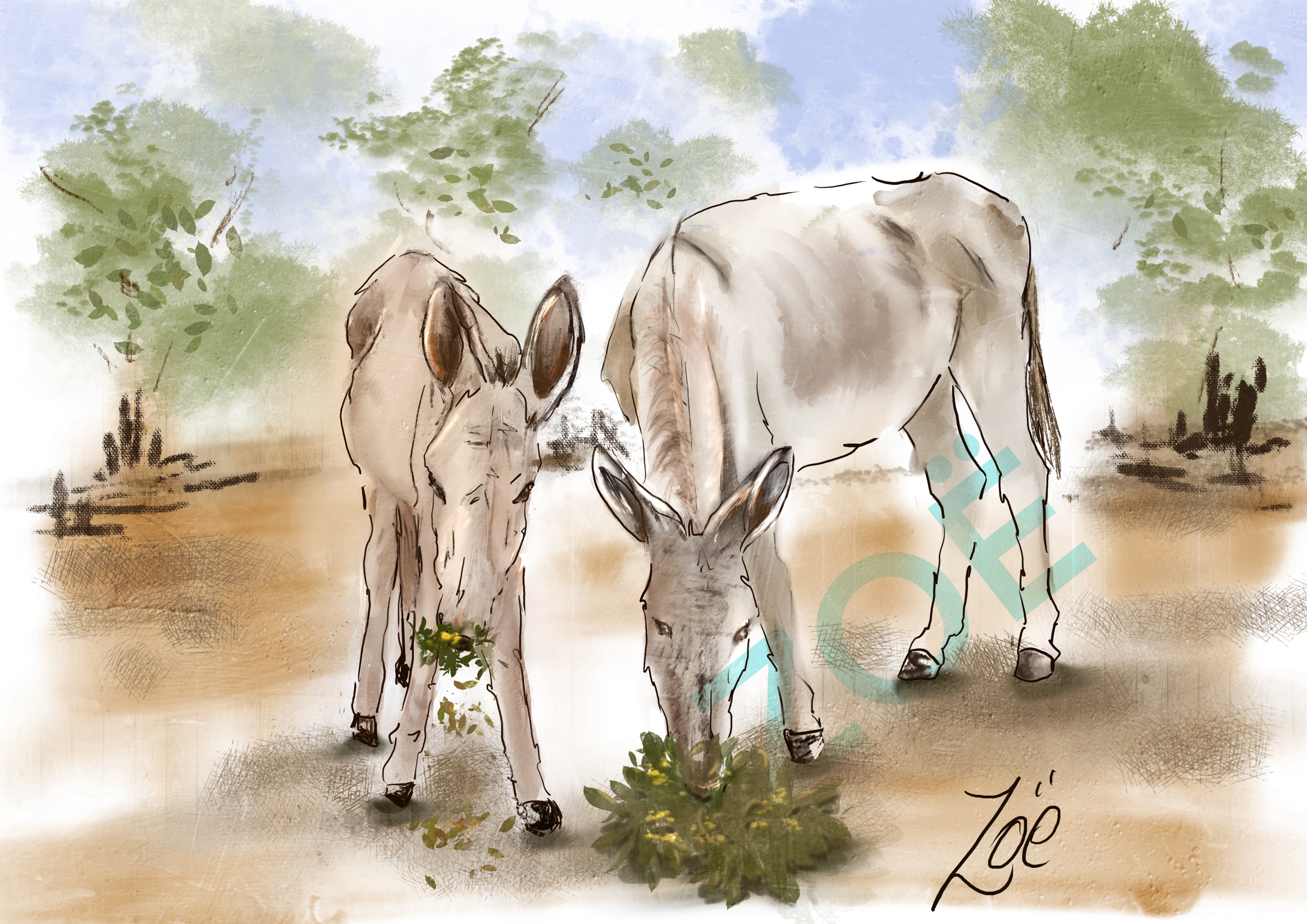
Yet the sanctuary is not only a place of rescue — it is also a place of connection. Visitors are often surprised by how gentle and affectionate the donkeys are, happily accepting a scratch behind the ears or leaning in for a quiet cuddle. Seeing them up close — their soft noses, calm eyes and playful curiosity — changes perceptions. For many visitors, that simple human–animal interaction becomes the moment they truly understand why the work matters.
To meet ongoing costs, the sanctuary has evolved into a modest visitor attraction. Tourists are encouraged to donate, adopt a donkey or purchase merchandise, helping to bridge the financial gap.
A Shared Effort
Those visitors, in turn, become part of the story. International volunteers now form the backbone of daily operations. A young volunteer from Switzerland, studying history and English, said he chose Antigua specifically because of the donkeys. “I saw I could work with animals and be in paradise,” he said, smiling after his first day. “I love the donkeys — they’re so sweet.” Many volunteers spend part of the week working at the sanctuary and the rest exploring the island, contributing quietly but meaningfully to the tourism economy and sharing positive experiences of Antigua abroad.
Repeat visitors echo that sentiment. One tourist, who has sponsored a donkey named Charlie for more than a decade, said the sanctuary has made a visible difference. “We used to see a lot more feral donkeys in poor condition,” she said. “That seems to have reduced. It’s terrible that humans can work an animal and then abandon it. This place provides the care previous owners didn’t.” Her husband raised a practical concern: while sponsorship costs just US$30 a year, the real cost of care is far higher— a reminder of how fragile the sanctuary’s finances remain.
For Darren Wilson, who helps manage the property day to day, the work is about both animals and people. He admits to disappointment that few young Antiguans volunteer, even as overseas helpers arrive from the UK, Germany and Switzerland. “What we really need, besides funding, is help,” he said — including machinery to clear overgrown land and make more space for the donkeys to thrive, strengthening both animal welfare and responsible land use.
In many ways, the Donkey Sanctuary’s work mirrors global development priorities and UN Sustainable Development Goals (SDG) to which Antigua is strongly committed. By reducing road hazards and crop damage, it supports safer, more resilient communities. By protecting working animals and managing land responsibly, it advances the ethical treatment of life on land. Through volunteer tourism and shared responsibility with government, it demonstrates how partnerships can address complex challenges without heavy bureaucracy. Though grassroots in nature, its impact aligns closely with the United Nations Sustainable Development Goals, particularly those focused on sustainable communities, decent work and meaningful partnerships.
A Debt Remembered
For Antiguans, the donkey is not a symbol — it is part of history. Long before modern machinery, donkeys hauled loads, cleared land and supported livelihoods. “The country owes a great deal to donkeys,” Corbin said. “They helped build this country.”
G.K. Chesterton once wrote of the donkey who carried Christ, marked by the cross along its back — a humble creature bearing a sacred burden. Whether read as poetry, faith or metaphor, the image resonates. Antigua’s donkeys carried the weight of labour and survival, and the Donkey Sanctuary exists to ensure they are not forgotten when their work is done.
“…For I also had my hour;
One far fierce hour and sweet:
There was a shout about my ears,
And palms before my feet.”
In a world quick to judge and slow to understand, the Donkey Sanctuary tells a fuller story — one of compassion, cooperation and care shaped by local realities. It is not perfect and it is never easy, but it is real. For those willing to look closely, it is something Antigua can be quietly proud of.
Play a Part
You can help by:
- Adopting or sponsoring a donkey
- Visiting the sanctuary and making a donation
- Purchasing T-shirts or merchandise
- Volunteering (local or international)
- Donating supplies or services, including machinery to help clear land
Call: +1 (268) 461-4957
Every contribution helps ensure that Antigua’s donkeys are safe, fed and treated with dignity.
Related Posts