Rashid Walker: A Voice Raised in Praise
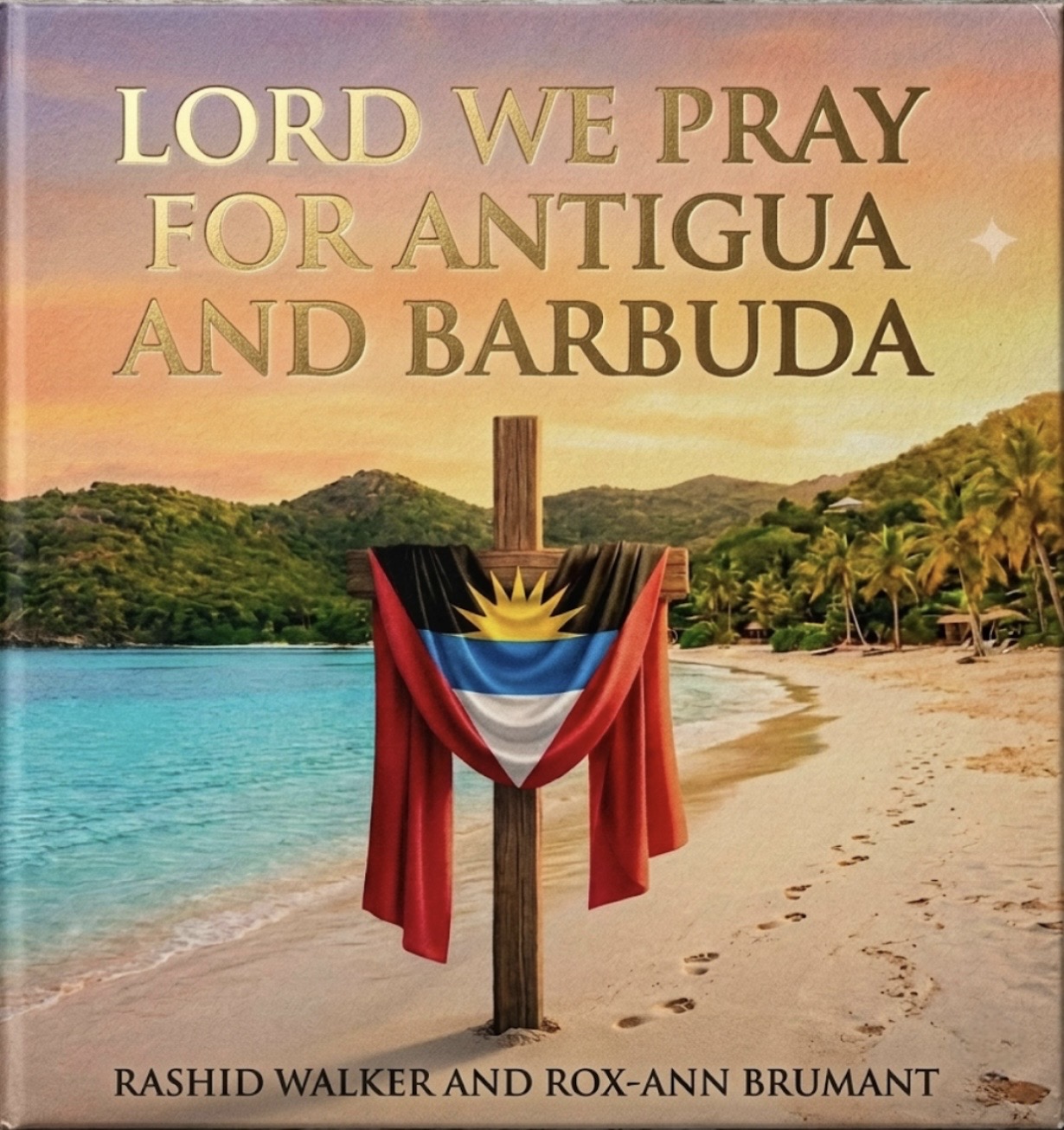
Rashid Walker is one of Antigua and Barbuda’s most distinctive gospel voices, bringing together faith, musical training and a deep sense of place. His latest release, A Prayer for Antigua and Barbuda, continues a journey that has taken him from local performances to opera, radio and national celebrations.

There is a wonderful moment in the Bible when King David is so overwhelmed with joy in God that dignity goes out of the window.
The Ark of the Covenant is being brought into Jerusalem and David dances before the Lord with all his might. There are trumpets and shouting, music and movement. This is not performance for an audience. It is an outpouring of joy.
Thousands of years later, and thousands of miles away in Antigua, there is something of that same spirit in the music of Rashid Walker.
For Rashid, music and faith do not occupy separate rooms. He doesn’t simply sing about God. He takes the voice he believes God gave him and raises it back in praise.
What a voice it is.
The night Antigua answered Milan
In 2018, opera came to Antigua, all the way from Milan.
The visiting professionals were superb and audiences loved them. Then something rather wonderful happened: they were joined by two Antiguan singers, Adrienne Henry and Rashid Walker.
Antigua answered Milan.
Their voices took an already extraordinary concert to stratospheric heights. It was one of those occasions when the extraordinary scale of talent sitting quietly in our own backyard suddenly announced itself.
Since then, Rashid’s voice has soared through different styles and across different stages. Again and again, however, it has returned to the place that seems most natural to him: gospel.
That is hardly surprising. Rashid is a singer and songwriter, as well as a worship leader at Bethesda Pentecostal House of Prayer. Faith isn’t an accessory to his music, or simply the subject matter of a particular genre.
It is where the music begins.
A gift given back
Born in Antigua to educators Verlin Ralph and George Walker, Rashid grew up across several islands, including Tortola and St Thomas, and later lived in Minnesota and Brooklyn.
He describes himself as multicultural, and his music reflects it. Contemporary Christian music and African-American gospel meet choir music, R&B and hip-hop, while calypso, soca, reggae and dancehall pull the sound unmistakably back towards the Caribbean.
He is also classically trained. That explains some things: the range, control and sheer power of the voice. It doesn’t explain everything.
Technique can teach someone how to use a voice. It cannot necessarily make us believe what they are singing. With Rashid, faith supplies the other half.
There is an appealing simplicity to the idea underlying much of his work. The voice is the gift.
The music is what he gives back.
Finding a Caribbean voice for gospel
Over the years, that has developed into something increasingly distinctive.
Songs including This Too Shall Pass, We Need Love and Great and Mighty have allowed Rashid to explore contemporary gospel without leaving the Caribbean behind.
We Need Love, written in memory of his mother and drawing inspiration from 1 Corinthians 13, brought wider recognition when it reached the consideration stage of the Grammy process for Best Global Music Performance in 2023. It subsequently won Song of the Year and Songwriter of the Year at the Antigua and Barbuda Gospel Music Awards.
Then came Great and Mighty.
Inspired by the biblical vision in Revelation of people from every nation and language worshipping together, Rashid asked an intriguing question: what might that great chorus of praise sound like from a Caribbean perspective?
His answer included Caribbean musicians and steelpan. The recording was later submitted for Grammy consideration in two categories.
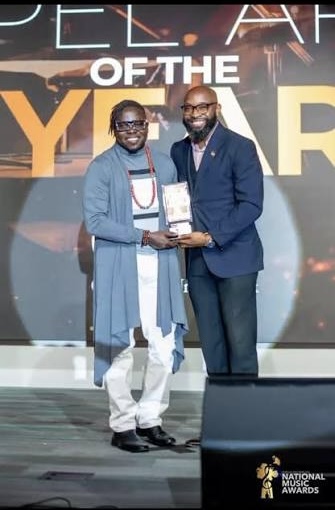
Recognition at home has followed too, including successive Gospel Artist of the Year honours at the Antigua and Barbuda National Music Awards.
The awards are impressive. They are not, however, the most interesting thing about Rashid Walker.
Beneath the classical training, the different musical influences and the growing recognition runs a much simpler thread.
Gratitude.
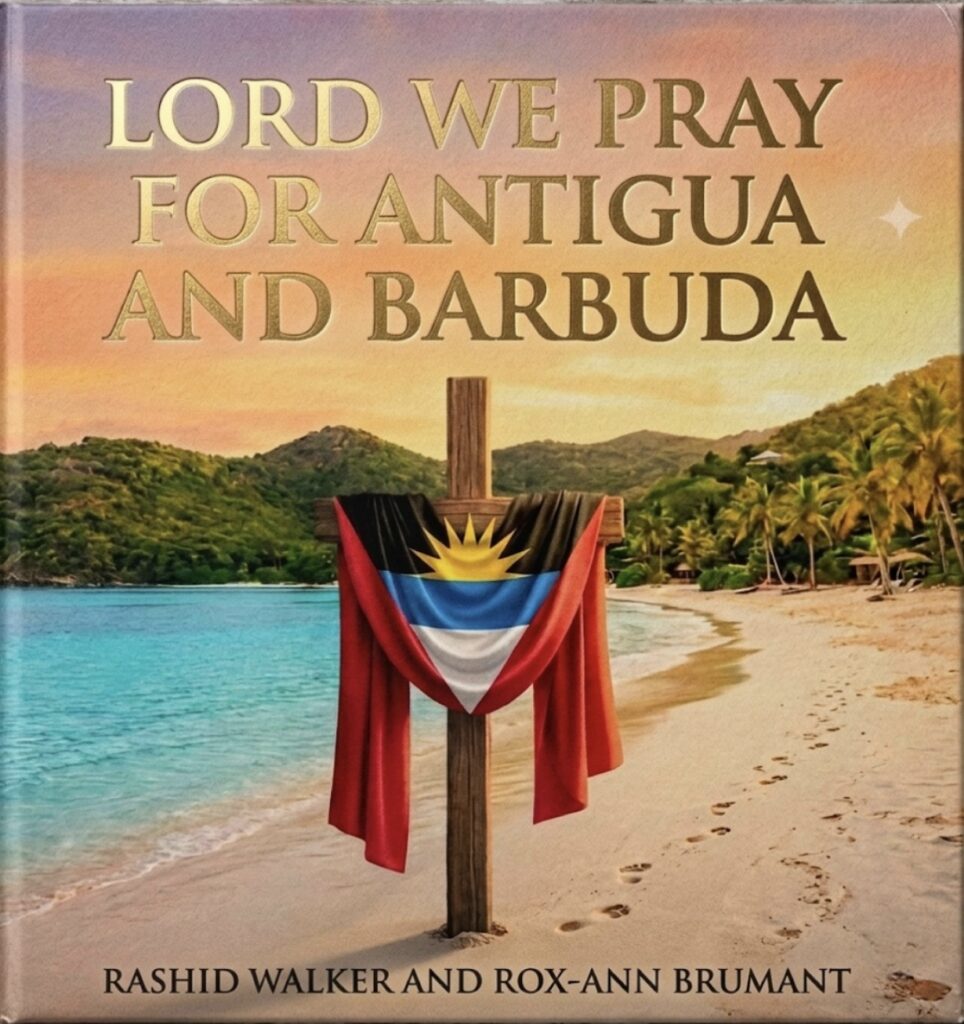
Lord, we pray for Antigua and Barbuda
Now the music has come very deliberately home.
Rashid’s new release, Lord We Pray for Antigua and Barbuda, featuring Rox-Ann Brumant, arrives as the country prepares to celebrate 45 years of Independence.
It is beautiful.
More than that, it feels entirely characteristic of the singer Rashid has become.
This isn’t simply a patriotic song dressed in gospel clothing. It is exactly what its title promises: a prayer, offered in music, for Antigua and Barbuda.
There is something particularly appropriate about that as Independence approaches.
Independence celebrations are naturally filled with pride. Flags fly. The national colours appear everywhere. The anthem is sung. The country celebrates its culture, its history and its achievements.
Prayer does something slightly different.
To pray for a country is to love it while hoping for what it might yet become. It can express gratitude, ask for guidance, seek protection and acknowledge that independence itself does not make a nation immune from difficulty.
Rashid uses the thing he has to offer: his voice.
There is a small symmetry here. Some years ago, Rashid recorded a special rendition of the national anthem for an Independence Day radio broadcast I was presenting. Now another Independence approaches, and he is singing for Antigua and Barbuda again.
This time he isn’t singing the country’s anthem.
He is praying for it.
When music becomes praise
Which brings us back to King David.
David’s dance wasn’t about polish or performance. In fact, the biblical story makes a point of his disregard for appearances. His joy demanded expression.
There is something timeless about that.
Faith has always found its way into music because sometimes speaking isn’t quite enough. Joy wants to sing. Grief wants to sing. Gratitude wants to sing.
Prayer sometimes needs a melody.
Rashid Walker possesses a voice capable of soaring over an orchestra, filling a church or carrying the quietest expression of faith. Classical training has helped him master it; the Caribbean has helped shape its sound.
Perhaps the most interesting thing about that voice, however, is not how high it can soar, how many musical styles it can encompass or how many awards it can win. It is what he chooses to do with it.
A gift, in Rashid’s understanding, isn’t simply something to possess.
It has a purpose.
King David danced.
Rashid Walker sings.
As Antigua and Barbuda prepares to celebrate 45 years of Independence, he is raising that voice for his country.
Not simply to perform.
Not simply to celebrate.
To pray.
Related Posts
Slates: Fine Dining with Flair

Ten Years On: Protecting the Dockyard for the Next Generation