CHOGM: The World Is Here. What Will Antigua Make of It?
As Antigua and Barbuda hosts one of the most significant international gatherings in its history, Zoë Carlton examines what CHOGM means for a small island nation — and why its real success will be measured long after the delegates have gone home.
Zoë Carlton
For a few extraordinary days, Antigua and Barbuda finds itself at the centre of the Commonwealth.
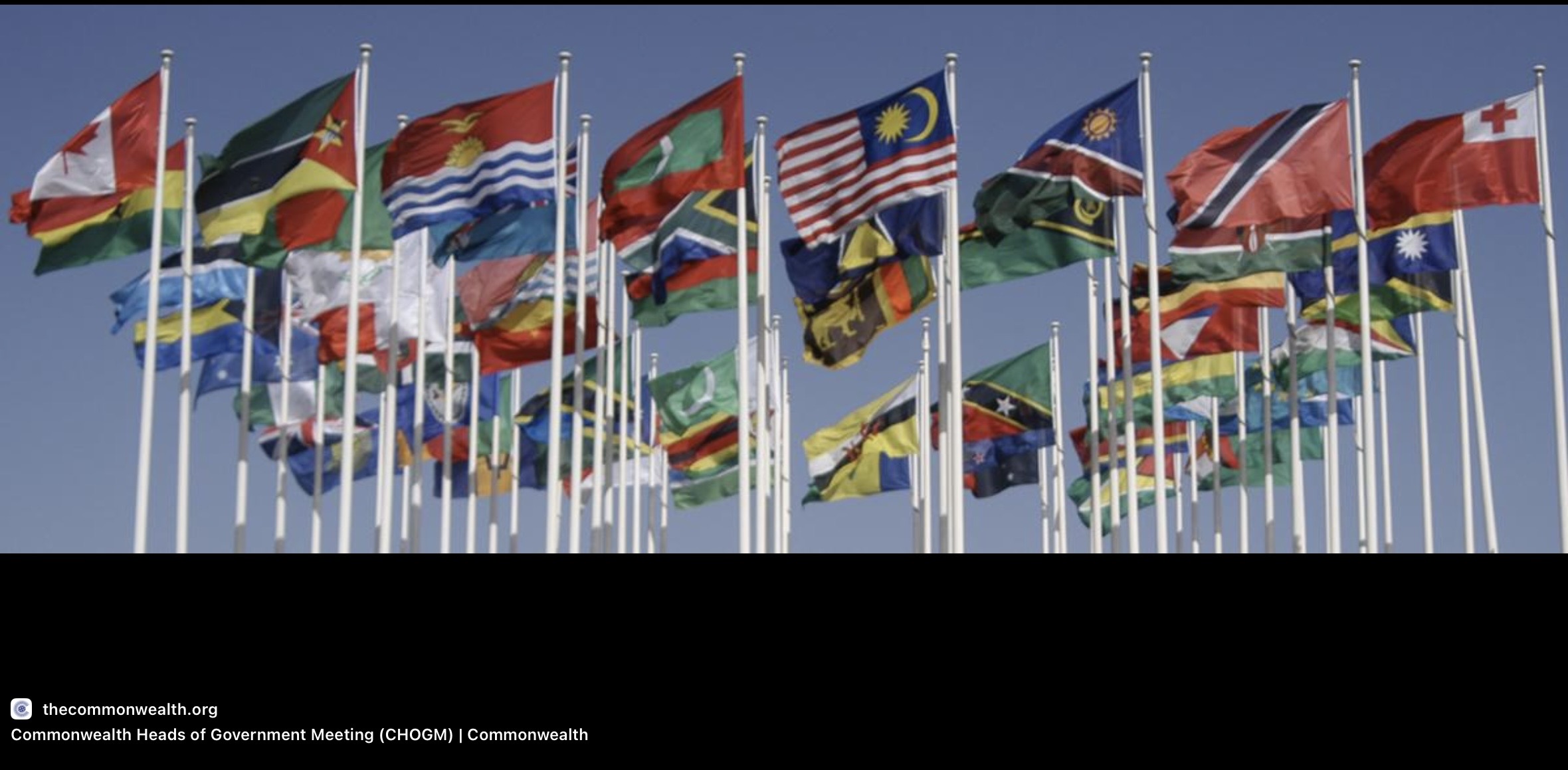
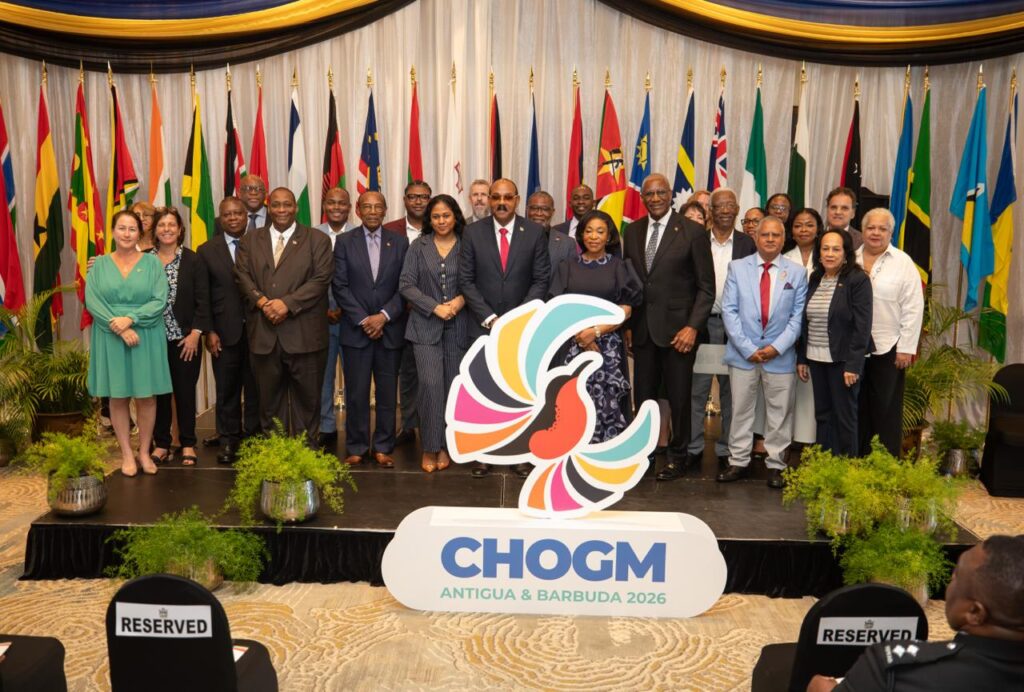
CHOGM 2026 is underway, bringing together leaders, ministers, business figures, civil society organisations, youth representatives, women’s advocates, investors and journalists from across an association of 56 nations.
There are official entourages, security arrangements, diplomatic receptions and all the machinery that accompanies a major international summit. For some Antiguans and Barbudans, CHOGM may still seem like something happening at a considerable distance from everyday life, even when the traffic arrangements suggest otherwise.
But this is far more than a gathering of politicians behind closed doors.
It is a rare opportunity for a small island state to speak directly to the world — and to be heard.
A Small Country at a Big Table
The 2026 theme, Accelerating Partnerships and Investment for a Prosperous Commonwealth, is particularly relevant to Antigua and Barbuda.
We are a small country facing challenges of global proportions: climate change, rising sea levels, hurricane vulnerability, food security, energy costs, debt pressures, youth employment, digital transformation and sustainable tourism.
These are not abstract policy issues.
They affect whether homes can withstand storms, whether young people can find meaningful work, whether businesses can grow, whether farmers can produce more locally and whether the country can protect both its coastline and its economy.
The Commonwealth matters because it gives countries like Antigua and Barbuda a seat at a table considerably larger than our population might suggest.
Its members include some of the world’s largest economies and some of its smallest and most climate-vulnerable states.
In an increasingly uncertain world, that matters.
Small states cannot rely on size, military strength or economic weight to advance their interests. They rely on relationships, partnerships and the ability to work with others.
Through the Commonwealth, Antigua and Barbuda can join countries facing similar challenges, whether climate change, disaster resilience, debt vulnerability or access to international finance.
Alone, our voice may be small. Together with others, it becomes much harder to ignore.
The Commonwealth is not perfect, and it carries a complicated history. Yet it remains one of the international forums where small states can build alliances, press for climate justice, attract investment and argue for fairer treatment in global finance and trade.
More Than a Diplomatic Showcase
Previous CHOGMs demonstrate how hosting can extend beyond the conference itself.
Rwanda used CHOGM 2022 to showcase its tourism, hospitality, conference and investment sectors. Thousands of delegates travelled to Kigali, bringing immediate economic activity while giving the country an international platform.
Samoa, which hosted CHOGM 2024, placed small island concerns at the heart of the Commonwealth agenda, with particular emphasis on climate change, oceans and resilience.
For Antigua and Barbuda, the opportunity is similar but distinct.
CHOGM offers a chance to strengthen the country’s international image as more than a beach destination.
It can present Antigua and Barbuda as a serious diplomatic host, a climate-vulnerable nation with something important to say, a Caribbean centre for investment, culture and innovation, and a country capable of welcoming the world with professionalism and warmth.
That matters.
Global image is not vanity. It can influence tourism, investment, airlift, international partnerships, scholarships, cultural opportunities, business confidence and diplomatic relationships.
And a country’s reputation is not established solely in conference rooms.
Every taxi driver, hotel worker, restaurant server, volunteer, performer, student, journalist, entrepreneur and community representative contributes to the impression visitors take home.
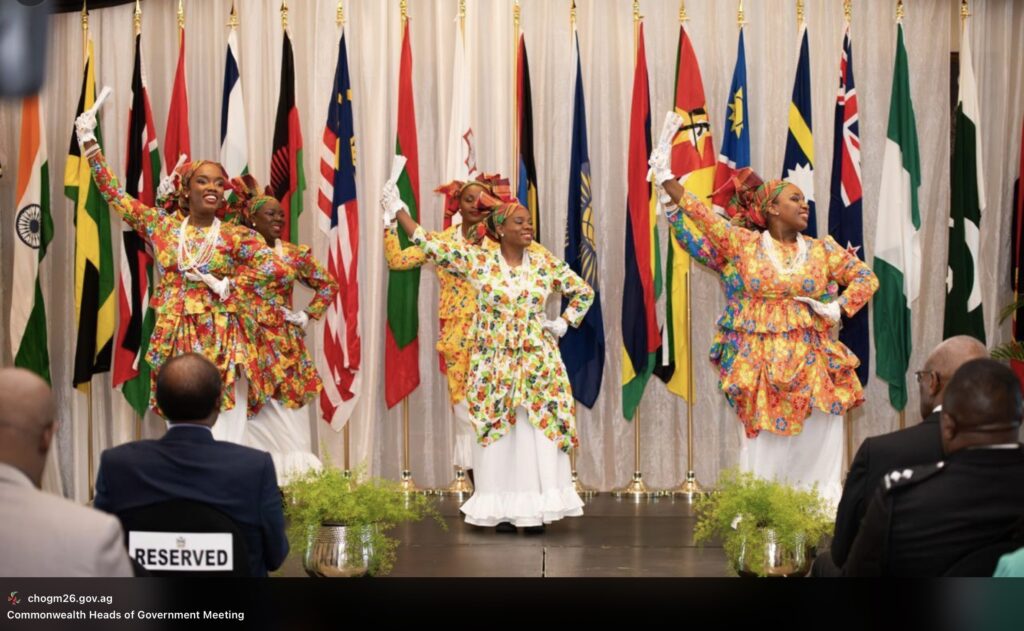
They will remember not only speeches and official communiqués, but the airport welcome, the efficiency of transport, the friendliness of people, the quality of local food, the energy of the culture and the sense that a country knows who it is.
The Commonwealth Beyond Government
The CHOGM forums are particularly important because they widen the conversation beyond government.
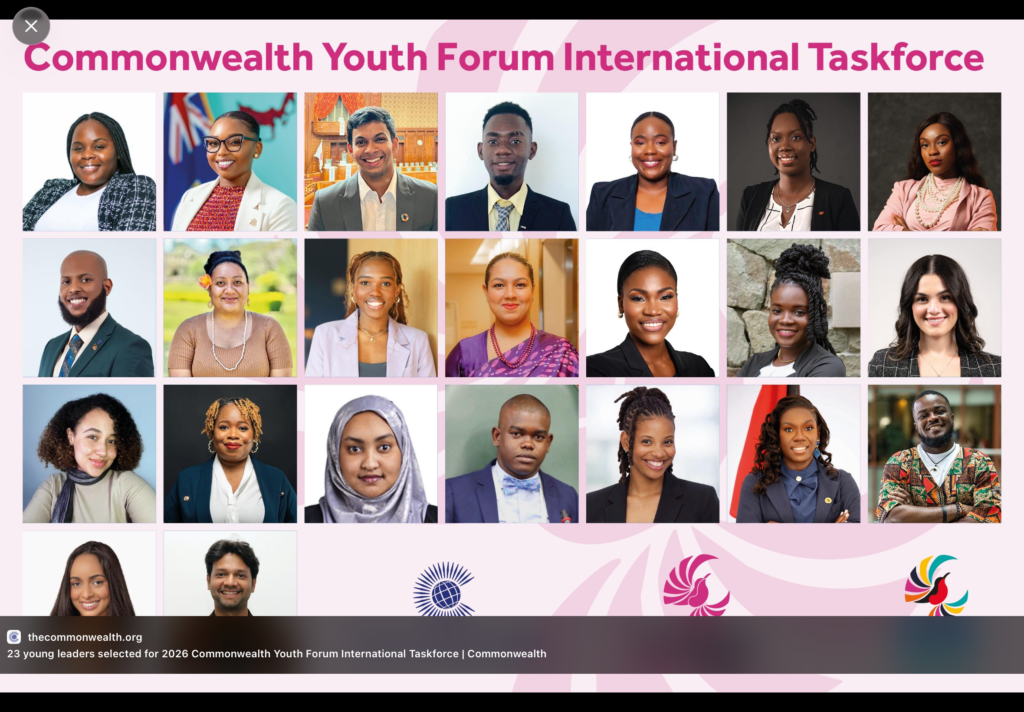
The Youth Forum gives young people a route into discussions that will shape their future.
The Women’s Forum brings gender equality, leadership, safety, opportunity and economic participation into focus.
The People’s Forum allows civil society to raise concerns from the ground up, including health, climate, education, rights, community development and democratic participation.
The Business Forum connects governments and private sector leaders, creating opportunities for investment discussions around tourism, renewable energy, the blue economy, technology, agriculture, infrastructure and creative industries.
These gatherings matter because development is not something done only by ministers.
It involves citizens, businesses, churches, schools, NGOs, artists, farmers, fisherfolk, youth leaders, women’s groups, entrepreneurs and communities.
The recommendations emerging from the forums are intended to contribute to wider Commonwealth discussions. Whether they ultimately influence policy will depend on the willingness of governments and institutions to act upon them.
That distinction is important.
A conference can create opportunities. It cannot guarantee results.
What Will Antigua Gain?
There should also be honesty about the demands of hosting an event of this scale.
Roads, venues, security, communications, accommodation, transport and public services face considerable pressure. There are costs, disruptions and inconveniences.
Citizens are entitled to ask what the country will receive in return.
The answer depends partly on how successfully CHOGM is delivered, but perhaps even more on what happens afterwards.
A successful summit cannot be measured simply by a smooth opening ceremony, an impressive reception or a photograph of smiling leaders.
It must also be judged by whether the contacts made become partnerships, whether local businesses benefit, whether young people gain opportunities and whether Antigua and Barbuda’s priorities are carried forward into meaningful international discussions.
There is little lasting value in attracting the world’s attention for four days if we have nothing to show for it four years later.
The real work begins when the visiting delegations leave.
A Moment That Belongs to Everyone
For Antiguans and Barbudans, CHOGM should not be treated as something happening somewhere above ordinary life, among officials and dignitaries.
It is happening here.
It is an opportunity to demonstrate our competence, creativity, hospitality and seriousness.
It is a chance to tell the Commonwealth what small island states need, but also what they offer: resilience, innovation, culture and practical solutions born from experience.
The benefits could extend far beyond November 2026. New partnerships may emerge, investment opportunities may develop, local voices may gain international recognition and the country’s diplomatic influence may be strengthened.
None of that is automatic.
It requires follow-through, sustained relationships and a determination to turn the attention Antigua and Barbuda is receiving into something of lasting value.
For a few days, the world has come to Antigua.
The question now is what we will do with the opportunity once it has gone home.
This article follows Zoë Carlton’s earlier examination of Antigua and Barbuda’s preparations for CHOGM 2026. Read the original feature, CHOGM 2026: The World Is Coming to Antigua. Are We Ready?, here.
Related Posts

CHOGM:Commonwealth Women Take Centre Stage in Antigua
CHOGM: The Commonwealth’s Future Leaders Have Arrived in Antigua