Seven Days from Peace
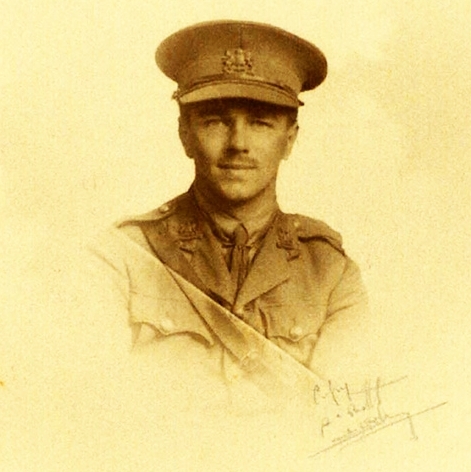
On 4 November 1918, just seven days before the end of the First World War, poet and soldier Wilfred Owen was killed while leading his men across a canal in France. He was 25.
His poetry, including Dulce et Decorum Est, stripped away the romance of war to reveal its terrible human cost.
His brother Harold, serving aboard a Royal Navy cruiser off West Africa, later described an extraordinary encounter. Entering his cabin, he saw Wilfred sitting in a chair, smiling. He looked away and the figure vanished.
On Armistice Day, as church bells celebrated peace, their mother received the telegram announcing Wilfred’s death.
Owen’s poetry stripped away the romance of war. “My subject is War, and the pity of War,” he wrote.
More than a century later, the world still struggles to learn the lesson.
Anthem for Doomed Youth
What passing-bells for these who die as cattle?
— Only the monstrous anger of the guns.
Only the stuttering rifles’ rapid rattle
Can patter out their hasty orisons.
No mockeries now for them; no prayers nor bells;
Nor any voice of mourning save the choirs,—
The shrill, demented choirs of wailing shells;
And bugles calling for them from sad shires.
What candles may be held to speed them all?
Not in the hands of boys, but in their eyes
Shall shine the holy glimmers of goodbyes.
The pallor of girls’ brows shall be their pall;
Their flowers the tenderness of patient minds,
And each slow dusk a drawing-down of blinds.
Related Posts

Antigua Gets a Splash of Colour

Antigua’s Fish Have Something to Say