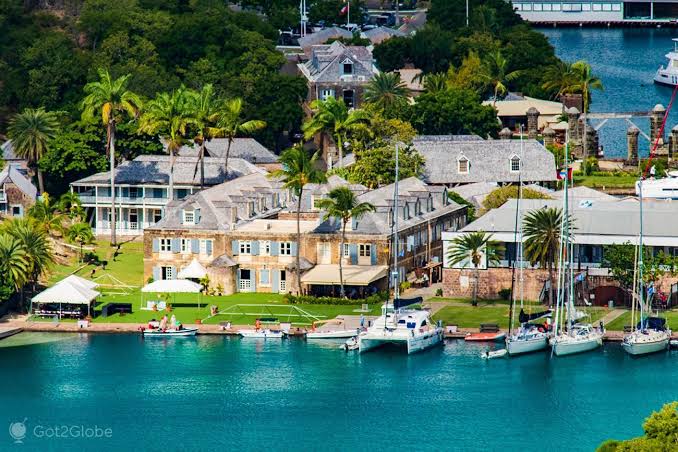
CHOGM 2026 Comes to Antigua
In November 2026, Antigua and Barbuda will host one of the most significant international gatherings ever held on our shores: the Commonwealth Heads of Government Meeting, better known as CHOGM.
For a few days, Antigua will become the centre of a global conversation involving leaders, ministers, business figures, civil society organisations, youth representatives, women’s advocates, investors, journalists and observers from across the Commonwealth. For some Antiguans and Barbudans, CHOGM may sound like another high-level diplomatic event, important perhaps, but distant from everyday concerns. In reality, it is far more than a meeting of politicians behind closed doors. It is a rare opportunity for a small island state to speak directly to the world — and to be heard.
The 2026 theme, “Accelerating Partnerships and Investment for a Prosperous Commonwealth”, is especially relevant to Antigua and Barbuda. We are a small country with global challenges: climate change, rising sea levels, hurricane vulnerability, food security, energy costs, debt pressure, youth opportunity, digital transformation and sustainable tourism. These are not abstract policy issues. They affect whether homes can withstand storms, whether young people can find meaningful work, whether businesses can grow, whether farmers can produce more locally, and whether the country can protect both its coastline and its economy.
The Commonwealth matters because it gives countries like Antigua and Barbuda a seat at a table much larger than our population. It includes some of the world’s largest economies and some of its smallest and most climate-vulnerable states.
In an increasingly uncertain world, that matters more than ever. Small states cannot rely on size, military strength or economic weight to advance their interests. They rely on relationships, partnerships and the ability to work with others. Through the Commonwealth, Antigua and Barbuda can join with countries facing similar challenges, whether climate change, disaster resilience, debt vulnerability or access to international finance. Alone, our voice may be small. Together with others, it becomes much harder to ignore.
The Commonwealth is not perfect, and it carries a complicated history. Yet it remains one of the few international forums where small states can build alliances, press for climate justice, attract investment and argue for fairer treatment in global finance and trade.
Recent CHOGMs show why hosting matters. Rwanda used CHOGM 2022 not only as a diplomatic summit but as a showcase for its tourism, hospitality, conference and investment sectors. Thousands of delegates came to Kigali, bringing immediate economic activity for hotels, transport providers, restaurants and event services, while also giving Rwanda a platform to present itself as a serious international destination. Samoa, which hosted CHOGM 2024, placed small island concerns at the heart of the Commonwealth agenda. Its summit produced major discussion on climate, oceans, resilience, young people and civil society, while giving Pacific states a stronger voice in global debate.
For Antigua and Barbuda, the opportunity is similar but distinct. CHOGM can strengthen the country’s global image as more than a beach destination. It can present Antigua and Barbuda as a serious diplomatic host, a climate-vulnerable nation with something important to say, a Caribbean hub for investment, culture and innovation, and a country capable of welcoming the world with professionalism and warmth.
That matters. Global image is not vanity. It affects tourism, investment, airlift, partnerships, scholarships, cultural opportunities, business confidence and diplomatic influence. When a country hosts well, every taxi driver, hotel worker, restaurant server, volunteer, performer, student, journalist, entrepreneur and community representative becomes part of the national presentation. Visitors remember not only speeches and official communiqués, but the airport welcome, the cleanliness of public spaces, the efficiency of transport, the friendliness of people, the quality of local food, the energy of the culture, and the sense that a country knows who it is.
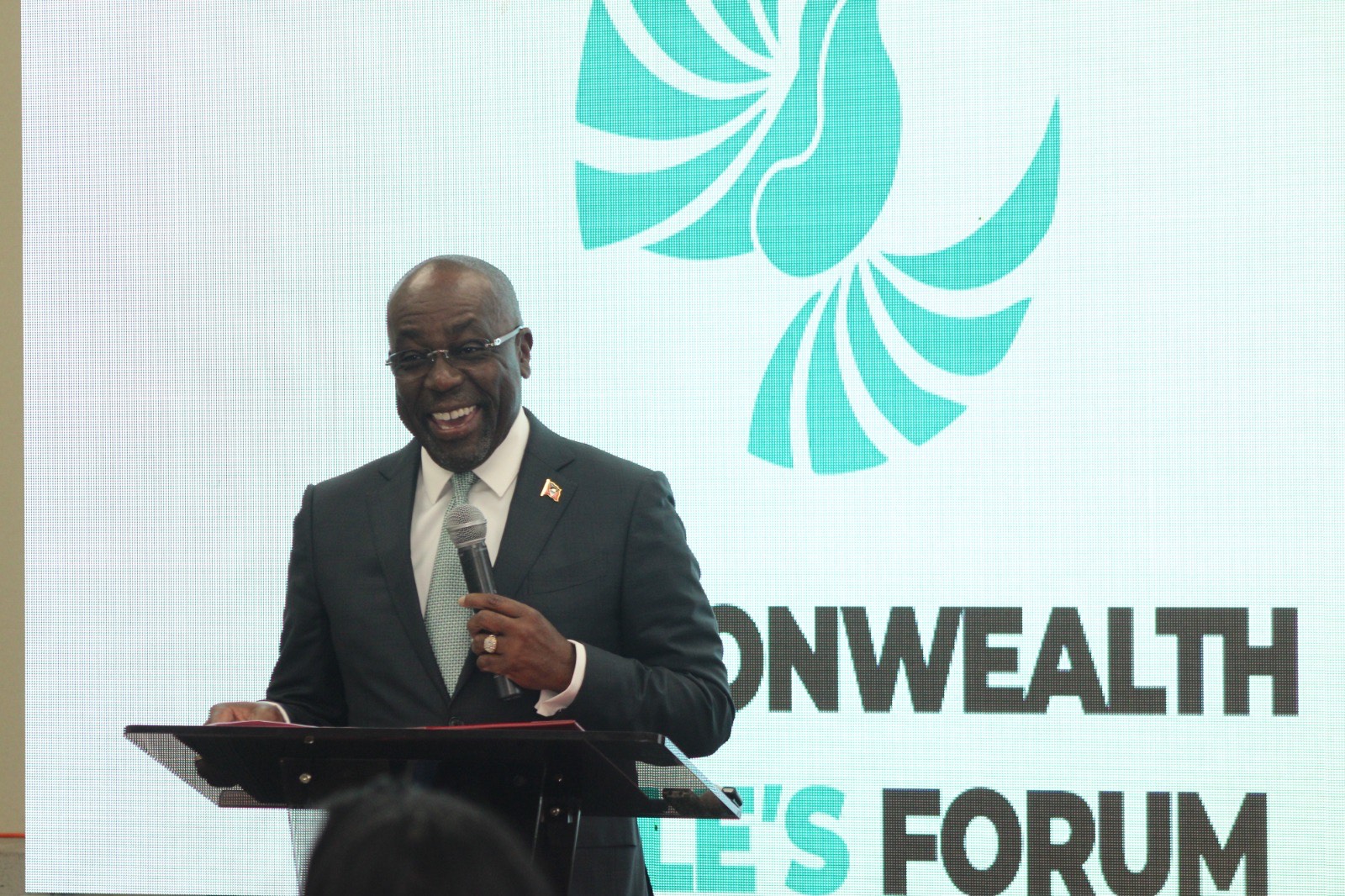
The CHOGM Fora are particularly important because they widen the conversation beyond government. The Youth Forum gives young people a route into discussions that will shape their future. The Women’s Forum brings gender equality, leadership, safety, opportunity and economic participation into focus. The People’s Forum allows civil society to raise concerns from the ground up, including health, climate, education, rights, community development and democratic participation. The Business Forum connects governments and private sector leaders, and for Antigua and Barbuda it could be a crucial platform for investment conversations around tourism, renewable energy, the blue economy, technology, agriculture, infrastructure and creative industries.
These fora matter because they remind us that development is not something done only by ministers. It involves citizens, businesses, churches, schools, NGOs, artists, farmers, fisherfolk, youth leaders, women’s groups, entrepreneurs and communities. If Antiguans and Barbudans are given opportunities to volunteer, attend, perform, exhibit, provide services, host side events, share ideas or simply follow the discussions closely, they should take them. Participation is not just about being seen; it is about making sure the national conversation is not left to others.
There should also be honesty. Hosting CHOGM will bring pressure. Roads, venues, security, communications, accommodation, transport and public services will all be tested. There will be inconvenience. There will be costs. Citizens will rightly ask what the country gets in return. The answer depends partly on preparation and partly on follow-through. A successful CHOGM is not measured only by a smooth opening ceremony or a good photo of leaders. It is measured by whether the contacts made turn into partnerships, whether local businesses benefit, whether young people are included, whether the country’s priorities are clearly presented, and whether Antigua and Barbuda uses the moment to advance long-term national goals.
The Commonwealth itself is not perfect. No international organisation is. But for small states, it remains a valuable space for coalition-building. On climate change, ocean protection, disaster resilience, debt, trade access and youth opportunity, Antigua and Barbuda has more influence when it speaks with others than when it speaks alone. CHOGM gives the country a chance to help shape that collective voice.
For Antiguans and Barbudans, then, CHOGM 2026 should not be treated as something happening “up there” among officials. It is happening here. It is an opportunity to show the world our competence, creativity, hospitality and seriousness. It is a chance to tell the Commonwealth what small island states need, but also what they offer: resilience, innovation, culture and practical solutions born from experience.
If Antigua and Barbuda hosts CHOGM well – and we will – the benefits could reach far beyond November 2026. The summit can strengthen national pride, open doors for investment, elevate local voices and place the country more firmly on the global map. But that will only happen if citizens see themselves not as spectators, but as participants.
CHOGM is coming to Antigua and Barbuda. Every volunteer, business owner, student, artist, community group and citizen has a role to play. The question is not only what the Commonwealth will bring to us, but what we are ready to show the Commonwealth about who we are.
Related Posts
Rashid Walker: A Voice Raised in Praise
Slates: Fine Dining with Flair